They Taught the Glasses to See. Then They Got Six Days.
Footage from Ray-Ban Meta glasses went to workers in Nairobi, who labelled what was in bedrooms and bathrooms so the assistant could learn to recognise a room, and marked its answers right or wrong so it could learn to judge answers the way they did. In February they told Swedish reporters what they had seen on their screens. In April, 1,108 of them were given six days' notice.
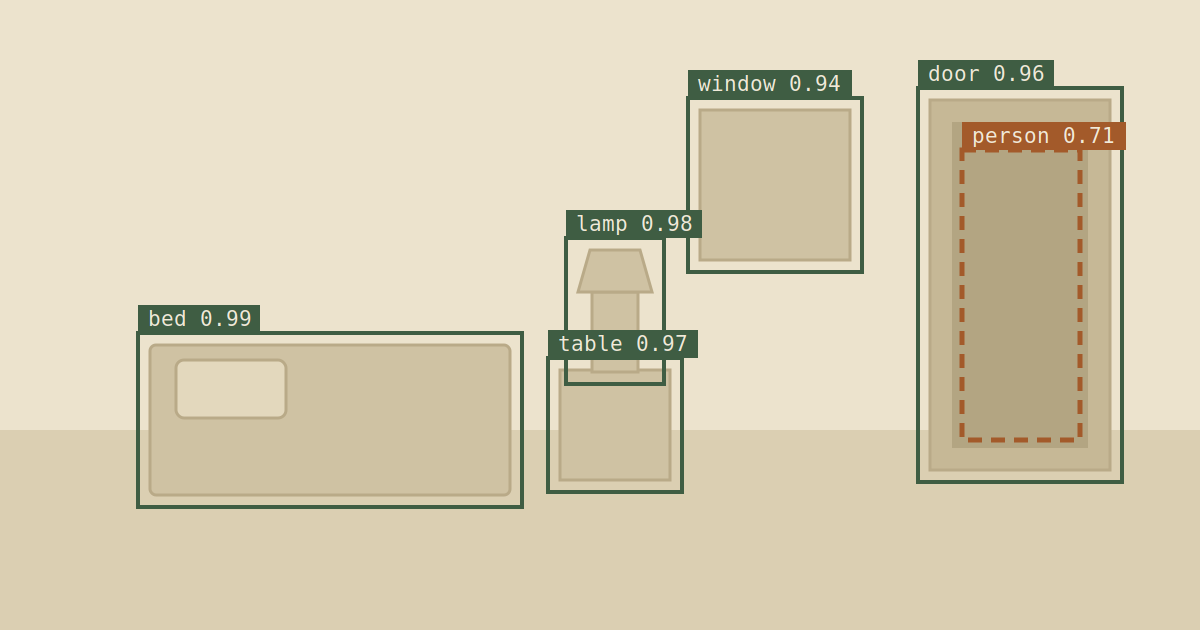
On Mombasa Road in Nairobi, the office where the labelling is done works in shifts. Phones are not allowed in. Cameras watch the room. The work itself is patient and repetitive: draw a box around the lamp, name what the object is, check that the assistant answered the wearer's question correctly, move on to the next clip.
The clips come from Ray-Ban Meta glasses, worn by people on the other side of the world who asked the assistant about something in front of them. Meta says footage stays on the wearer's phone until they share it with Meta AI, that contractors then review some of what was shared so the assistant can improve, and that the material is filtered before anyone sees it. The workers say the blurring that is supposed to happen does not always work.
What comes through is not only street signs and restaurant menus. Reporters at Svenska Dagbladet and Göteborgs-Posten wrote down what the annotators described watching: people on the toilet, people undressing, people having sex with the frames still on, bank cards turned over in front of the lens. In one clip a man sets the glasses down on a bedside table and leaves, and a woman walks into the room and changes her clothes. "We see everything," one worker said, "from living rooms to naked bodies."
That is the job, and somebody has to do it, because the assistant cannot yet tell a bathroom from a kitchen without being shown which is which a few hundred thousand times. Until the software can recognise a room by itself, the people on Mombasa Road are the part of the product that does the recognising.
Two things were being collected there, and only one of them was boxes around lamps. Every time a worker marked an answer right or wrong, they were also teaching the assistant their judgment: what a useful reply looks like, what is not acceptable, and when an answer is simply wrong. The boxes taught the assistant what a lamp is. The corrections taught it to check answers the way the workers did.
That arrangement is not unusual and it is not going away. The worker is paid for the task, but what the company really wants is the record of how the task was done, and that record is worth more to whoever keeps it than the worker is.
The way the workers were treated matched that. Phones stay outside the building. Cameras run on the workers while the workers watch the footage. One of them told the reporters that anybody who started asking questions about where the footage came from would be gone. When they finally did speak, they met the journalists in a hotel well away from the floor, and not one of them allowed their name to be printed, because being identified would have cost them the work.
The story ran in February. In March the United Kingdom's data watchdog called the account concerning and wrote to Meta about its duties. On 16 April, Sama told 1,108 people in Nairobi that their jobs were redundant and gave them six days. Meta said Sama had not met its standards, and did not say which standards, or when it had decided. Sama said nobody had ever told it that it fell short. Naftali Wambalo of the Africa Tech Workers Movement said the standard being enforced was secrecy.
The glasses are still for sale. The labelling goes on somewhere else now, done by somebody else, and the assistant keeps getting better at knowing what a room is.
Software can be shown ten thousand bedrooms and will never tell anybody what it saw. Keeping quiet was the one part of the job the people on Mombasa Road could not do. Everything else they did turned out to be something that could be replaced within six days, and it was.